We examine the epidemiology of alcohol-associated liver disease, mortality trends during the COVID-19 pandemic, alcohol thresholds in metabolic and steatotic liver disease, and psychiatric comorbidities driving poor outcomes in ALD.
What alcohol thresholds worsen steatotic liver disease? How did COVID-19 change ALD mortality? What psychiatric factors predict decompensation after hospital discharge?
Population-based databases (NHANES, NIS, NAMCS), epidemiological modeling, nationwide cohort studies, and target trial emulation frameworks.
We apply machine learning, large language models (ChatGPT, GPT-4), and virtual reality to improve liver disease diagnosis, patient education, multilingual health communication, and clinical decision support.
AI-powered cirrhosis Q&A evaluation; multilingual LLM patient communication; VR interventions for ALD; ML prediction of ACLF; multimodal AI for SLD screening (Nature Communications, accepted).
AGA Innovation Fellow 2025. Biomedical AI Symposium UCLA 2024. Chapter on VR and mental health in Routledge textbook.
We investigate HCC surveillance gaps, sarcopenia, portal hypertension management, decompensation risk, hepatic encephalopathy, and the role of non-selective beta-blockers and rifaximin in advanced liver disease.
Who is missed by HCC surveillance? Does carvedilol outperform other NSBBs? How does rifaximin affect antimicrobial resistance? What drives ACLF clustering?
Systematic review and meta-analysis, target trial emulation, real-world nationwide datasets, multicenter clinical cohorts, and dynamic biomarker modeling (FIB-4).
Developing and validating a multimodal machine learning model integrating clinical, imaging, and laboratory data for early detection of MASLD and MASH. Accepted in Nature Communications.
Evaluating the accuracy, safety, and readability of large language models (ChatGPT, GPT-4) for answering patient and clinician questions about cirrhosis, HCC, and ALD across multiple languages.
Investigating potential biases in AI-generated mental health support content for patients with alcohol-associated liver disease, including language, cultural, and demographic disparities.
Nationwide cohort study examining the impact of long-term rifaximin use on antimicrobial resistance patterns in patients with cirrhosis and hepatic encephalopathy. Accepted in Nature Communications.
Longitudinal analysis of serial FIB-4 measurements as a dynamic predictor of hepatocellular carcinoma risk in patients with chronic liver disease across multiple etiologies.
Pilot study of immersive virtual reality interventions to improve patient understanding, reduce anxiety, and support shared decision-making in patients with alcohol-associated liver disease and cirrhosis.
Nationwide analysis of alcohol use disorder-related mortality patterns during the COVID-19 pandemic using death certificate data. Published in JAMA Network Open 2022.
Systematic analysis of disparities in hepatocellular carcinoma surveillance uptake among patients with cirrhosis in the United States. Published in Journal of Hepatology 2021.
Target trial emulation comparing carvedilol with other non-selective beta-blockers for prevention of decompensation in cirrhosis. Published in Hepatology 2025.
Dr. Yeo is a transplant hepatologist and physician-scientist. He completed his MSc at the University of Oxford and his residency and fellowship training at Cedars-Sinai Medical Center. He has authored 152 peer-reviewed publications (H-index 44, 10,247 citations), with work published in JAMA, Nature Reviews Gastroenterology & Hepatology, Lancet Gastroenterology & Hepatology, Gut, and Journal of Hepatology. He is the recipient of the ACG Junior Faculty Research Award (2026), AGA Innovation Fellow (2025), and AASLD Emerging Liver Scholar designation.
We welcome trainees and researchers interested in hepatology, clinical epidemiology, and artificial intelligence. We particularly encourage applicants from underrepresented backgrounds.
Get in touch →A multidisciplinary program integrating hepatology, addiction medicine, nutrition, and mental health to deliver comprehensive care for patients with metabolic and alcohol-related liver disease.
Referring physicians may contact us via Epic referral, fax, or email.
Email: yeehui.yeo@cshs.org
Location details will be updated shortly.
Our team includes transplant hepatologists, addiction medicine specialists, registered dietitians, and mental health professionals working collaboratively around each patient.
Meet the team →This is a selection. For the complete list of 152 publications:
View all on PubMed →Datasets, code repositories, and analysis pipelines will be listed here.
Real questions from real patients — answered simply and clearly.
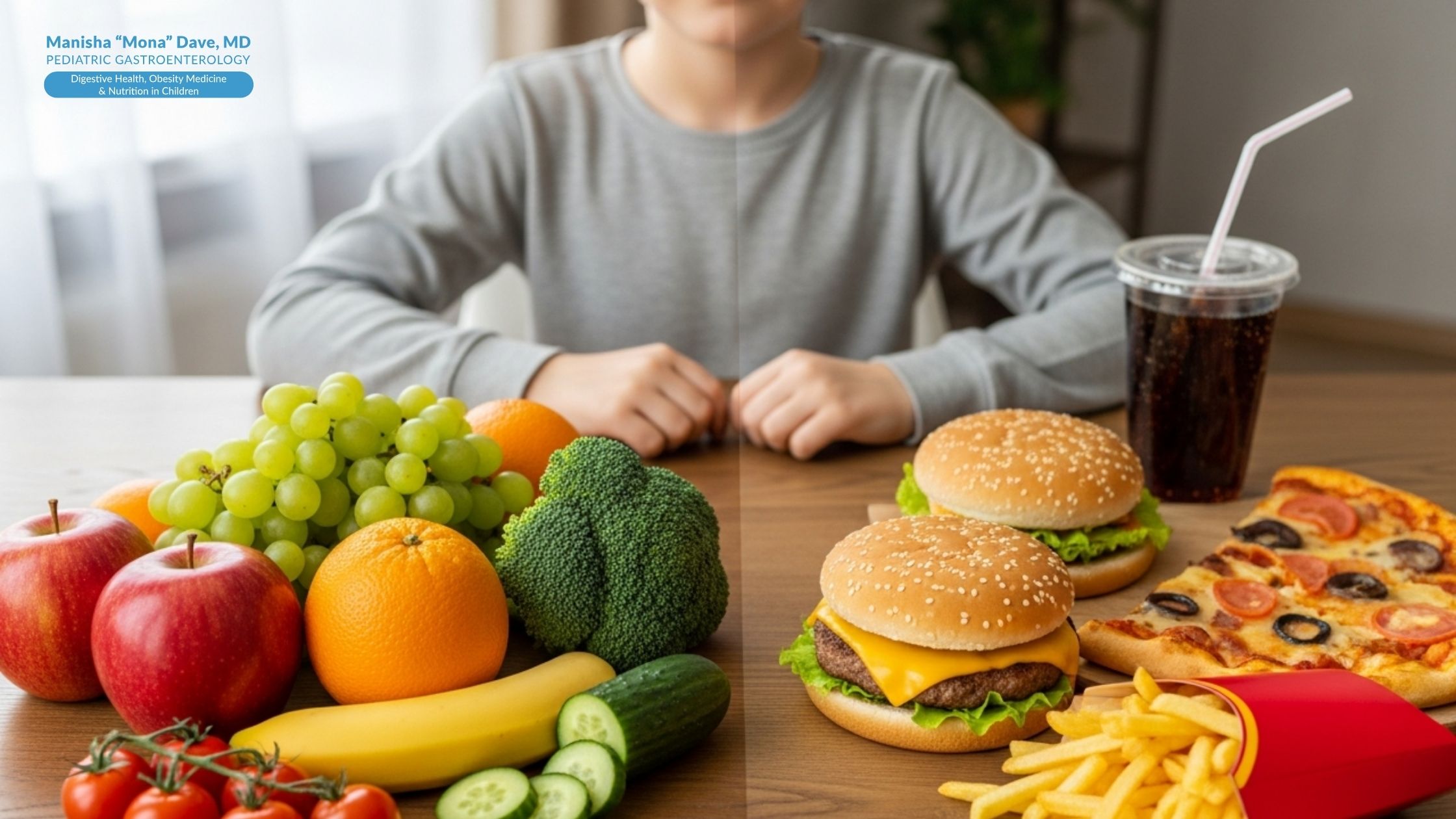
Fatty Liver
People with obesity, type 2 diabetes, or high blood fats are most at risk. But fatty liver can also affect people who appear slim if they have metabolic problems.
Read more ↗Dr. Yeo receives the American College of Gastroenterology Junior Faculty Research Award for outstanding contributions to clinical research in hepatology.
Invited Grand Rounds presentations on AI implementation in hepatology.
Named an American Gastroenterological Association Innovation Fellow for pioneering work applying AI to liver disease.
Honored for excellence in clinical training and research during transplant hepatology fellowship.
Research recognized with Poster of Distinction at Digestive Disease Week 2025.
Comprehensive review on current and emerging strategies for hepatocellular carcinoma prevention.
Receives award for outstanding research contributions during fellowship training.
Invited presentation on large language models in hepatology at the UCLA Biomedical AI Symposium.
Two abstracts named Top Posters at EASL; additionally receives the AASLD Foundation Abstract Award.
Location details will be updated soon.
We welcome applicants interested in hepatology, AI, and clinical epidemiology. Please send your CV and a brief statement of interest to the email above.